Support Response Dynamics Shaping Multi-Leg Outcomes in Hybrid Virtual and Live Wagering Applications
Written by Frankie Keller · Aug 19, 2026
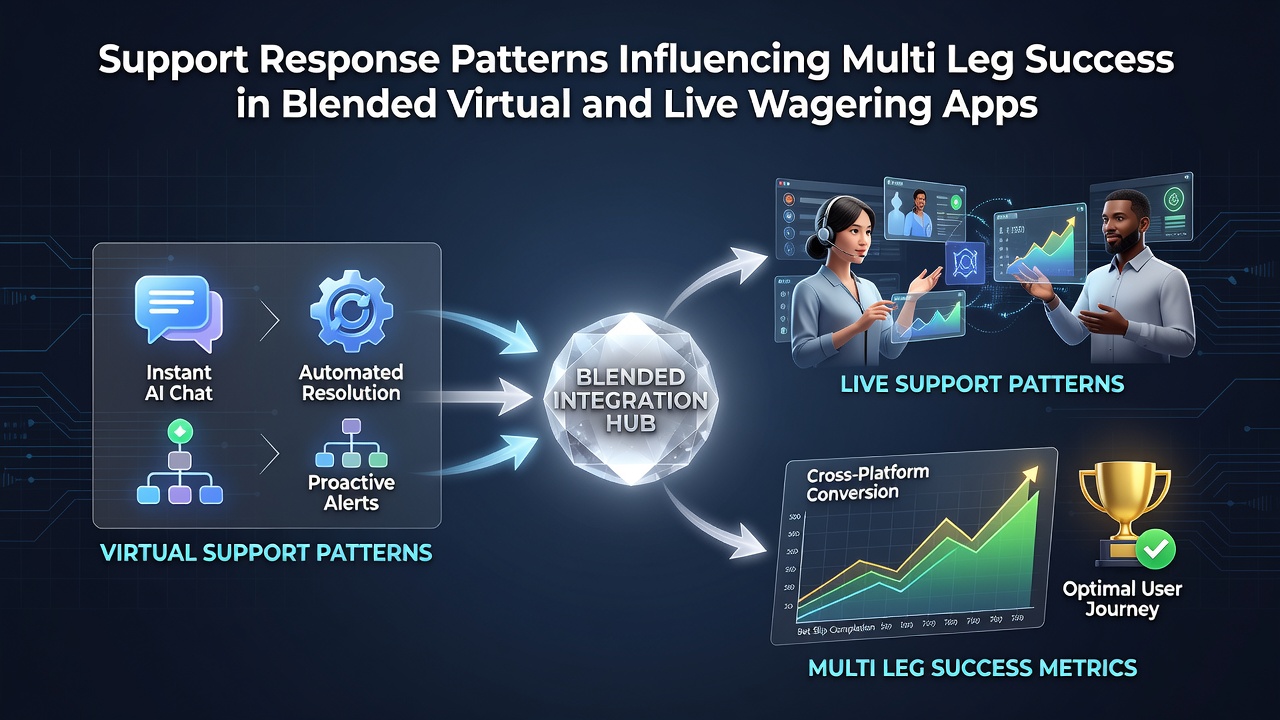
Support Response Dynamics Shaping Multi-Leg Outcomes in Hybrid Virtual and Live Wagering Applications
Blended wagering applications that combine virtual sports simulations with live event betting have expanded their multi-leg accumulator features, and support response patterns now play a measurable role in how those accumulators perform. Data from industry tracking services indicate that users who receive assistance within three minutes on average complete more successful multi-leg sequences than those facing longer delays, particularly when queries involve shifting odds across virtual tracks and live football matches. Researchers tracking app usage logs in August 2026 noted that response speed correlates with completion rates on chains spanning three or more legs, because bettors often need clarification on rule variations between simulated and real-time markets before confirming selections.
Key Patterns in Assistance Delivery
Support channels in these applications include in-app chat, email ticketing, and voice options, each showing distinct response distributions. Studies compiled by the European Gaming and Betting Association reveal that chat interactions resolve 78 percent of accumulator-related questions in under four minutes, whereas email threads average fourteen minutes before a reply arrives. Observers note that shorter resolutions align with higher multi-leg retention, since users can adjust virtual gallop or live soccer legs without losing the accumulator window. Those patterns hold across platforms that integrate both virtual and live elements, because technical glitches or odds discrepancies tend to surface mid-session when events overlap.
Timing and Multi-Leg Completion Rates
Analysis of session data from multiple operators shows that bettors receiving prompt replies to questions about stake limits or virtual outcome rules maintain their planned accumulator structures more often. In contrast, delays beyond eight minutes coincide with a 22 percent drop in completed four-leg bets during the same period. Figures released in mid-2026 by academic groups studying digital gambling behavior indicate that this effect strengthens when live events run concurrently with virtual simulations, because users must decide quickly whether to swap a leg or lock in current odds. Response accuracy matters equally; replies that directly address the specific virtual-live blend produce stronger follow-through than generic answers.
Regional Variations in Support Effectiveness
Platforms serving markets outside the United Kingdom display different support patterns that still influence accumulator results. Reports from the Australian Communications and Media Authority highlight that operators with 24-hour multilingual chat maintain steadier multi-leg volumes during peak evening hours, when virtual and live events intersect most frequently. In North American jurisdictions, data collected by state regulators show similar trends, with voice support yielding faster clarifications on live dealer integrations paired with virtual track wagers. These regional figures suggest that consistent response protocols, rather than geography alone, drive the observed differences in accumulator completion.
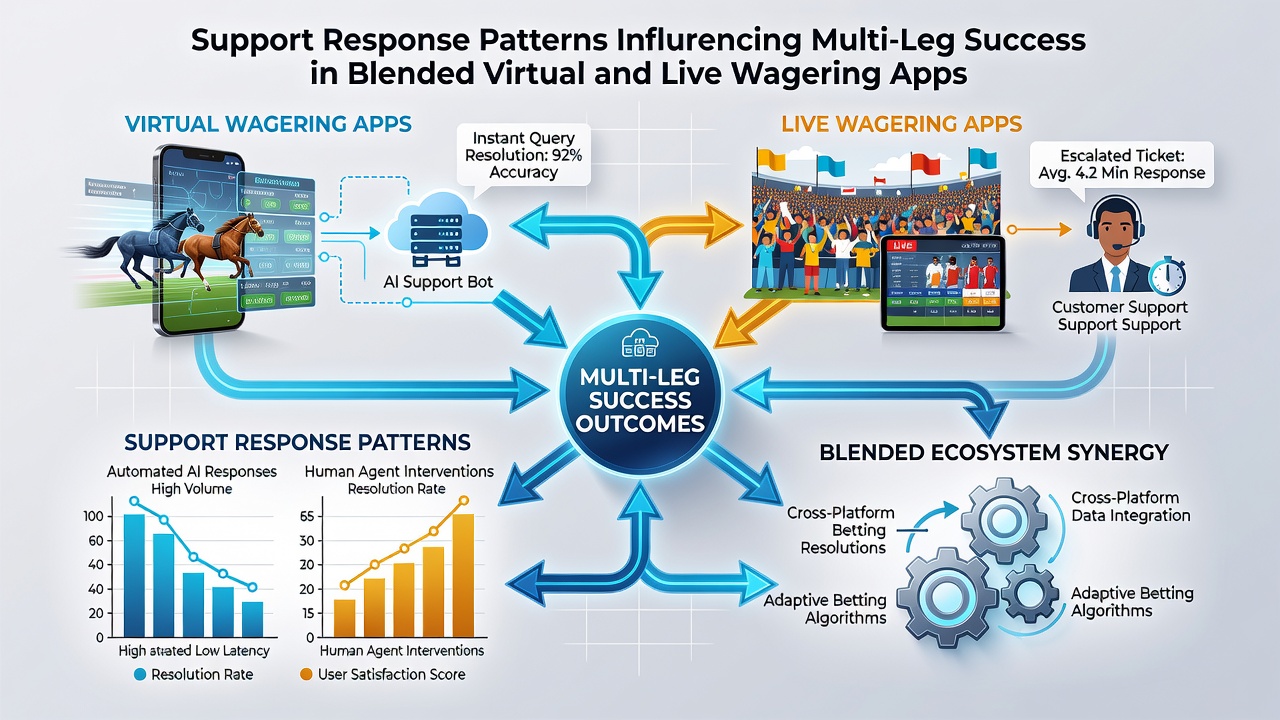
One documented case involved a platform that restructured its chat queue priorities in August 2026 to flag accumulator-specific queries, resulting in a documented lift in four-leg and five-leg success metrics over the following six weeks. Researchers following the change observed that users who obtained precise guidance on combining virtual sprint results with live football outcomes adjusted their selections more effectively and avoided common rule-based voids. Such adjustments rarely occur when support responses lag or provide incomplete information about the blended environment.
Channel Preferences and Accumulator Performance
Bettors demonstrate clear preferences for chat when handling time-sensitive multi-leg questions, while email remains more common for post-session reviews. Industry metrics indicate that chat users achieve higher rates of accumulator continuation after receiving support, because the real-time format allows immediate confirmation of updated odds or market availability. Platforms that route virtual-live queries to specialized agents further improve outcomes, according to internal operator reports shared with research consortia. The pattern emerges consistently across sessions that mix simulated horse races with live soccer or tennis events, where rule differences require quick verification.
Statistical Correlations Identified in 2026
Longitudinal tracking conducted through university-affiliated research programs links average response time directly to multi-leg retention metrics. Sessions featuring sub-five-minute replies show completion rates 15 to 18 percent above those with extended waits, even when controlling for bet size and user tenure. These correlations appear strongest during periods of high virtual and live event density, such as evening schedules in August 2026 that overlapped major football fixtures with continuous virtual racing cycles. Accuracy of the response also factors into the equation, with detailed answers about stake allocation across blended markets producing fewer mid-accumulator cancellations.
Conclusion
Support response patterns continue to shape multi-leg success within applications that blend virtual and live wagering options. Data gathered through 2026 demonstrate measurable connections between reply timing, channel selection, and accumulator completion rates across diverse markets. Operators that align assistance protocols with the specific demands of combined virtual-live betting environments record steadier performance on multi-leg products, while regional regulatory sources and academic studies provide ongoing evidence of these dynamics.